


Clear information. Better project decisions.
Pinion
Our Works

Clear information. Better project decisions.

2024 Service

BIM & Digital Transformation

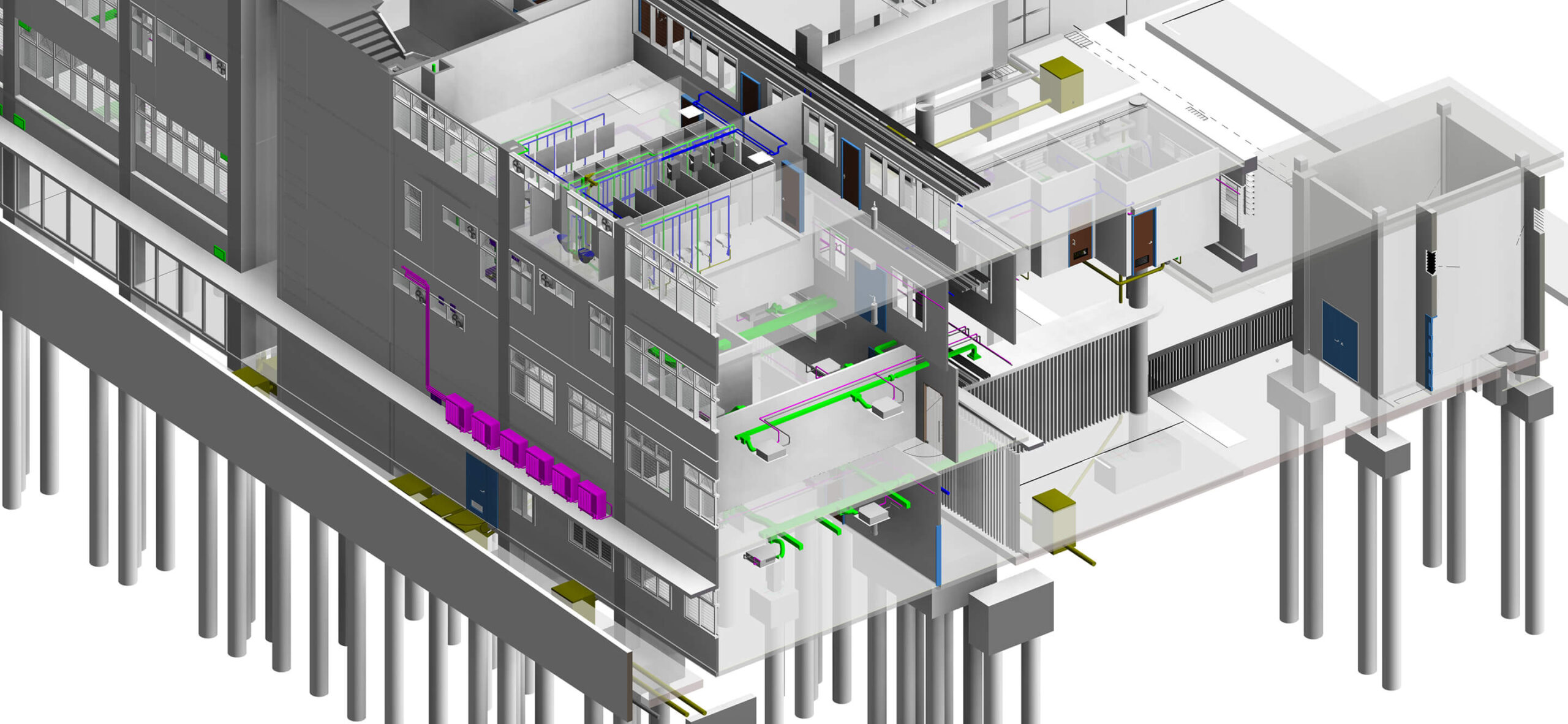
We helped our client make better project decisions through clear, structured project information. By standardising how data is handled across design and construction, we enabled clearer visibility, reduced uncertainty, and more confident decision-making throughout the project lifecycle. The client continues to rely on this system in day-to-day execution.

Arrow Left
Arrow Right
Aging Marine Assets: Fix, Replace, or Live With It?
Pinion
Our Works

Aging Marine Assets: Fix, Replace, or Live With It?

2025 Service

Asset Management

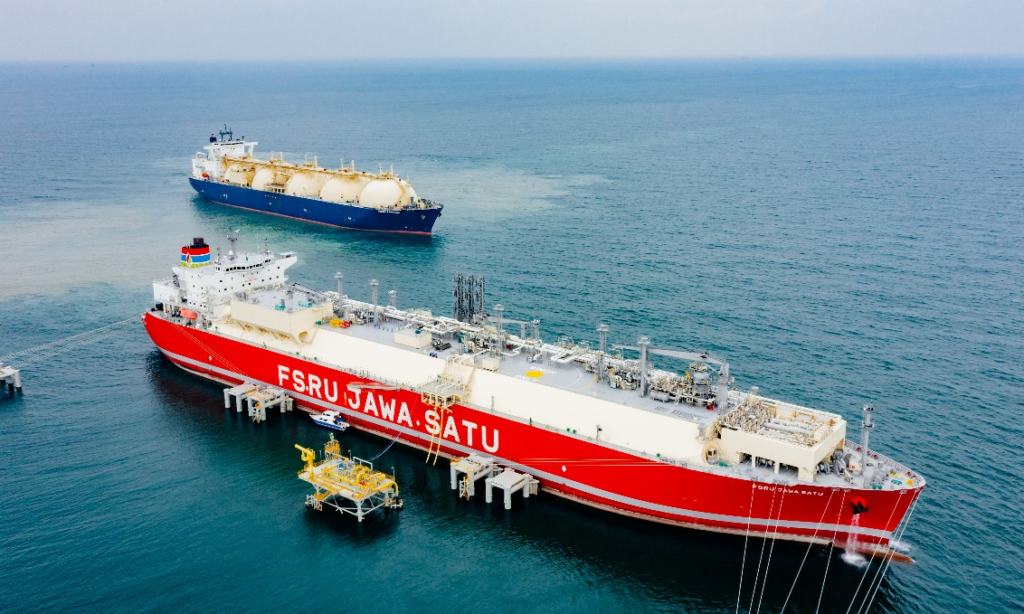
We helped our client make the right decisions on aging jetty assets critical to their operations. The assignment supported the national leader in the petrochemical industry in assessing aging and damaged jetty structures. By combining technical and operational studies, we clarified risks, options, and cost implications, enabling management to select the most suitable path forward with confidence.

Arrow Left
Arrow Right
Can Your Port Handle More Cargo?
Pinion
Our Works

Can Your Port Handle More Cargo?

2025 Service

Port Engineering and Operations

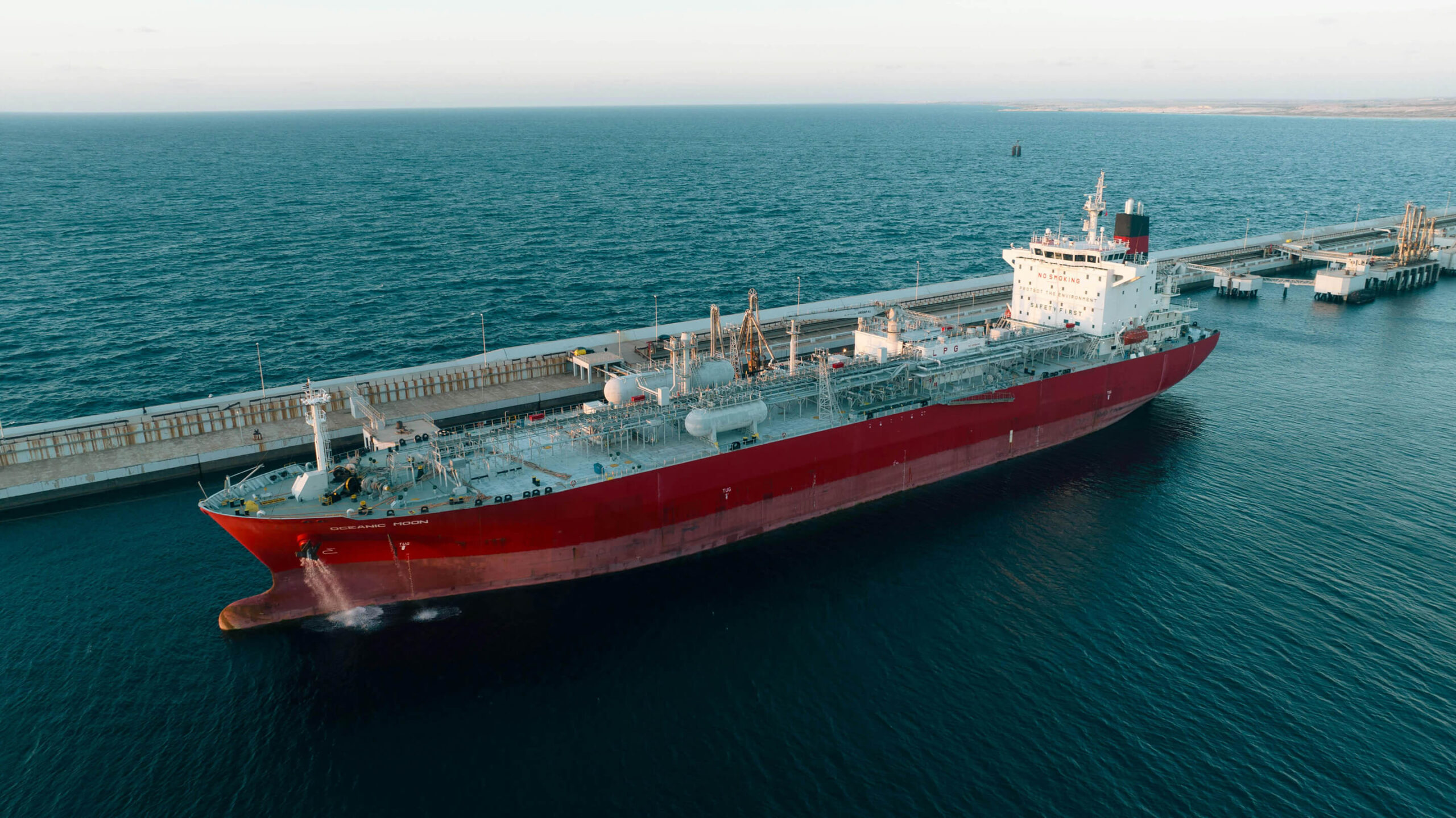
We helped our client increase revenue by enabling new cargo handling and higher throughput. Working with Interport, we provided integrated engineering support to assess and enable the introduction of new cargo types and increased operational capacity. Our studies went beyond infrastructure, covering navigation, port operations, and end-to-end process systems including pipelines, pumps, and valves. The result is a technically sound and operationally viable expansion path that supports higher volumes and new revenue streams.

Arrow Left
Arrow Right
Asking the Hard Questions Before You Commit
Pinion
Our Works

Asking the Hard Questions Before You Commit

2024 Service

Technical and Operational Due Diligence

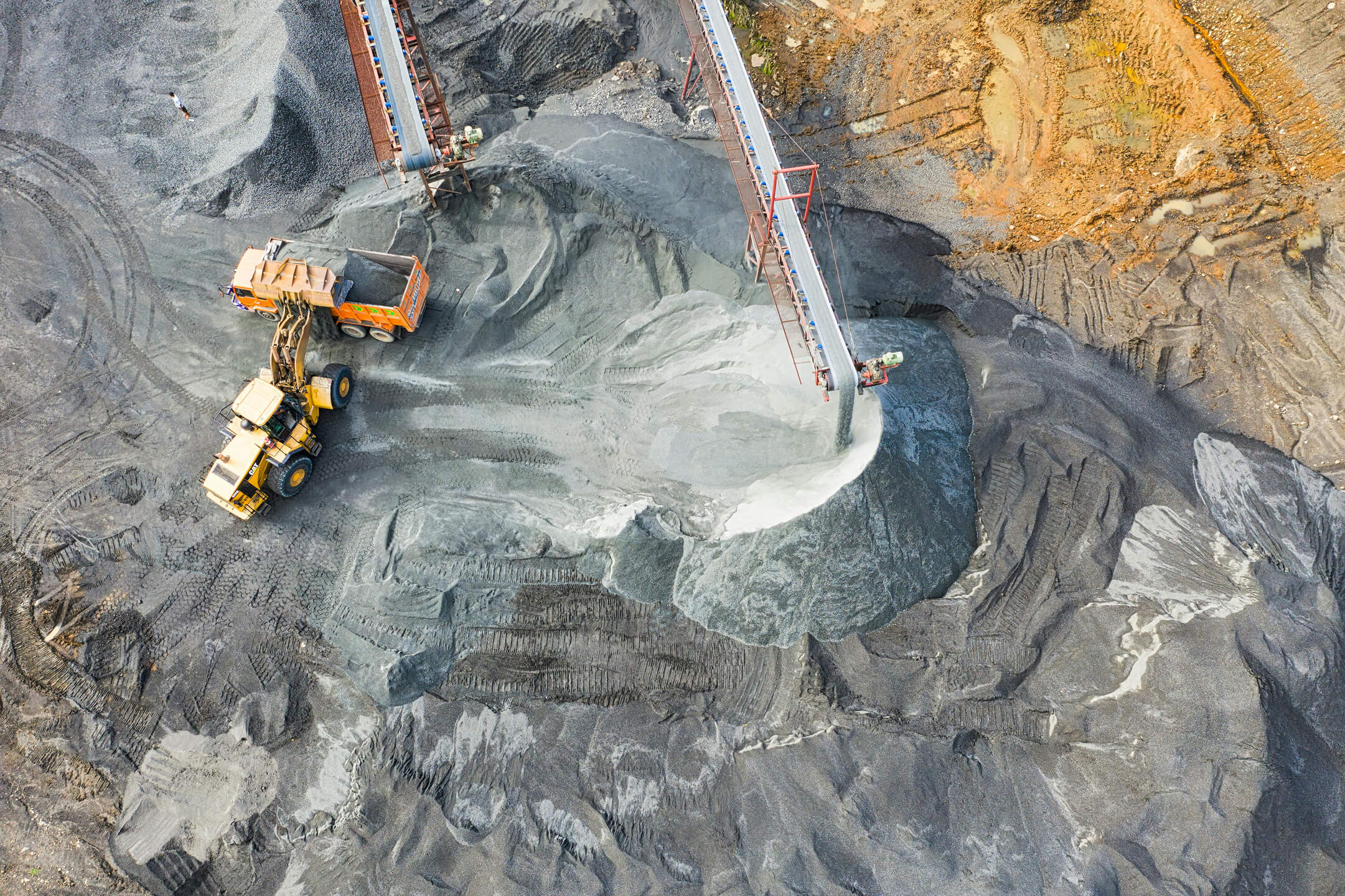
We acted as an independent sparring partner to help our client challenge assumptions before making a takeover decision. The engagement focused on a mining operation being considered for full operational takeover. We examined the operation end to end, covering washplant civil works, logistics systems, and contractual arrangements. By identifying true bottlenecks, separating structural constraints from fixable issues, and clarifying risks and improvement potential, we enabled a clear, grounded discussion on whether and how to proceed.

Arrow Left
Arrow Right
Take Back Control of Your Project
Pinion
Our Works

Take Back Control of Your Project

2025 Service

Project Management Consultancy

We help clients take back control of design and construction by actively challenging consultants and using technology to surface issues early. Our role covers design management, critical review of design consultants, clash detection and design coordination, schedule tracking, cost estimation, and constructability studies. Applied across multiple hotel and commercial building projects, this approach keeps time, cost, and design aligned before problems escalate.

Arrow Left
Arrow Right
When Design Codes Become Computer Algorithm
Pinion
Our Works

When Design Codes Become Computer Algorithm

2024 Service

BIM and Digital Transformation

We helped transform engineering regulations into logic that computers can execute under Singapore’s CORENET X initiative. Acting as subject matter experts, we supported the development of one of the world’s first automated model checkers by translating design codes, regulatory intent, and engineering judgement into machine-readable rules. Our role included training practitioners and working closely with building designers and multiple government agencies to ensure the system reflected real-world design decisions, not just theoretical compliance.

Arrow Left
Arrow Right
  • Services Chevron Down
    • BIM & Digital Transformation

    • Maritime & Civil Engineering

    • Project Management

  • Articles
  • About Us
BIM & Digital Transformation

Information and Data Standards

Information and Data Standards

We bring order to fragmented project and asset information so teams work from a single, reliable source of truth.

Digital Engineering and Automation

Digital Engineering and Automation

We turn engineering rules, design requirements, and regulations into digital logic that can be checked, reused, and scaled.

Model-Based Assurance and Analytics

Model-Based Assurance and Analytics

We use digital models to reveal risks, inconsistencies, and blind spots before they become costly decisions or site issues.

Maritime & Civil Engineering

Port, Terminal, and Infrastructure Engineering

Port, Terminal, and Infrastructure Engineering

We assess and design critical infrastructure to ensure ports and facilities remain safe, reliable, and fit for their operational demands.

Logistics, Navigation, and Operations

Logistics, Navigation, and Operations

We examine how vessels, cargo, and people actually move to identify capacity limits, operational risks, and improvement opportunities.

Cargo Handling Systems

Cargo Handling Systems

We help clients understand whether their cargo handling systems can support new cargo types, higher throughput, or future growth.

Project Management

Design Management and Independent Review

Design Management and Independent Review

We challenge design assumptions and consultant outputs to protect design intent, buildability, and the client’s interests.

Programme, Cost, and Constructability Control

Programme, Cost, and Constructability Control

We help clients see schedule and cost risks early, not when delays and overruns are already unavoidable.

Technology-Enabled Coordination and Control

Technology-Enabled Coordination and Control

We use digital coordination and clash detection to surface conflicts early and keep design and construction aligned.

Engineering that Understands the Business

Engineering that Understands the Business

February 13, 2026

Some of the most technically “successful” projects end up becoming poor-performing assets. If you are an asset owner, PMO leader,…

Pinion Social Construct 2024

Pinion Social Construct 2024

August 31, 2024

Are you passionate about the built environment? Whether you’re an architect, engineer, planner, developer, specialist, or involved in any aspect…

Empowering Consultants: A Guide to Success with Pinion

Empowering Consultants: A Guide to Success with Pinion

August 30, 2023

Are you an expert with a passion for driving impactful change? Pinion invites you to step into a world where…

Navigating Success: A Guide to Using Pinion as a Client

Navigating Success: A Guide to Using Pinion as a Client

August 30, 2023

Are you ready to take your business strategies to the next level? Pinion is here to help you harness the…

Unlocking Business Success with Foresight: Introducing Pinion

Unlocking Business Success with Foresight: Introducing Pinion

August 30, 2023

In the fast-paced world of business, the ability to foresee and strategize for the future has become a fundamental requirement…

We are Pinion

Johannes Simanjuntak Ivana Sadikin David Dudok van Heel

We see ourselves as the gear that drives the system. Not the most visible part, but the one that keeps everything moving, aligned, and under control. We work behind complex assets, projects, and organisations where decisions carry real consequences.

Pinion operates at the intersection of engineering, operations, and digital capability. We help clients bring clarity to complexity, challenge assumptions, and make better decisions across maritime, civil, and building environments. Our work spans project control, asset and operational studies, and BIM-enabled digital transformation, always focused on turning information into something that can be trusted and acted upon.

We are not here to simply deliver scope or follow instructions. We are brought in when clients need a sparring partner who can see the whole system, ask the hard questions, and keep things moving in the right direction.

The materials and information contained on this website are provided for general informational purposes only and do not constitute, and shall not be construed as, engineering, technical, legal, financial, or other professional advice, nor as a substitute for a formal consultancy engagement. Any reliance placed on such information is strictly at the user’s own risk. Professional services are provided solely pursuant to a written agreement duly executed by Pinion and its client, which shall exclusively govern scope, responsibilities, limitations of liability, and all other contractual matters. To the maximum extent permitted by applicable law, Pinion expressly disclaims all liability for any loss, damage, cost, or consequence arising out of or in connection with the use of, or reliance upon, this website or its contents. Unless otherwise expressly stated, all content on this website, including without limitation text, graphics, diagrams, methodologies, frameworks, project descriptions, reports, and visual materials, is owned by or licensed to Pinion and is protected under applicable copyright, trademark, and other intellectual property laws. Certain images or media may be sourced from third parties under licenses or permissions that permit their use; all such third-party materials remain the property of their respective owners. No part of this website may be copied, reproduced, republished, uploaded, posted, transmitted, distributed, adapted, or used to create derivative works for any commercial, professional, or competitive purpose without prior written consent from Pinion or, where applicable, the relevant third-party rights holder. Access to or use of this website shall not be construed as conferring, by implication, estoppel, or otherwise, any license or right to use any trademark, logo, proprietary methodology, or other intellectual property of Pinion or any third party.

Make Better Decisions, Faster

Talk to us about your next move

Loading...

Engineering that Understands the Business

Ivana Sadikin
  • Opinion
  • February 13, 2026

Some of the most technically “successful” projects end up becoming poor-performing assets. If you are an asset owner, PMO leader, or project director, this gap sits behind many OPEX surprises.

The drawings are correct. Standards are met. Reviews are passed. From an engineering perspective, everything looks right. Yet months or years after handover, the asset begins to disappoint as a business. Operating costs are higher than expected. Flexibility is limited. What once seemed like reasonable design decisions quietly turn into recurring operational problems.

The project is technically sound, but commercially underwhelming. And the pain is not abstract. It shows up as unplanned OPEX, reduced throughput, retrofit CAPEX, and slower payback.

This contradiction is more common than many owners would like to admit.

Why This Is Risky Today

This gap is no longer theoretical. Once an asset is built, its cost structure, risk profile, and flexibility are largely locked in. By the time problems show up in operations, it is already too late to redesign them away. At that point, the available options are usually expensive: workarounds, retrofits, downtime, or accepting higher operating costs for the next 10–20 years.

Responsibility, however, arrives later. Asset owners and operators inherit the consequences after handover, long after the design decisions that shaped those outcomes were made. What feels like an operational problem is often the delayed result of choices taken years earlier, when the priority was making the design work.

As assets become more complex and margins tighter, the cost of this disconnection becomes more visible, and harder to absorb.

When Business Intent Loses Ownership

At the start of most projects, business intent is clearly discussed. Cost targets, risk trade-offs, operational priorities, and value expectations are shaped early during feasibility and planning.

But as projects move into conceptual, schematic, and detailed design, something subtle often happens.

Business intent no longer has a clear owner. The people now driving decisions (client representatives, engineering consultants, technical leads, and specialists) were often not part of those early discussions. They enter the project with a clear mandate: deliver a compliant, coordinated, technically robust design.

Naturally, they do exactly that.

Decisions are optimised for safety, performance, standards, and constructability. What often sits outside this decision framework are downstream business consequences: operating cost sensitivity, flexibility under changing use, long-term risk exposure, or how quickly value can actually be realised.

Individually, each decision makes sense. Collectively, they hard-wire the business performance of the asset long before operations begin.

Business intent may still exist in reports and briefing documents. But without a role or mechanism that actively brings it into everyday design conversations, it stops being tested. Not because teams don’t care about the business, but because the project no longer asks them to.

The Gap Is Not Engineering Execution

This is not a story about poor engineering.

In many projects, the engineering work is competent, rigorous, and delivered exactly as intended. The gap lies not in execution, but in how engineering decisions are framed, tested, and judged.

Design choices are reviewed for technical correctness, coordination, and constructability. They are not consistently tested against business outcomes. As a result, design decisions can be “correct” while quietly increasing lifecycle cost, locking in future maintenance burden, or reducing operational throughput.

Engineering is doing its job well. What is missing is a decision framework that treats business impact as a first-class test, not an implicit assumption.

Engineering Decisions as Business Commitments

A different outcome emerges when engineering decisions are framed differently at the moment they are made.

Beyond asking whether a solution is technically correct, the decision is also tested against its business consequences: lifecycle cost exposure, operational risk, future adaptability, and how the asset is expected to create value.

This is not an added scope or a new layer of process. It is a shift in professional judgement. Technical soundness remains essential, but it is no longer treated as the finish line. Engineering choices are recognised for what they are: long-term commitments that shape cost, risk, and flexibility well beyond construction.

Consider a common example from distressed infrastructure. When clients face cracked structures, damaged slabs, or recurring failures, engineers can always calculate a technically sound strengthening solution. The difference appears when the problem is framed through a business lens. How is the asset actually being used? What load patterns, operating cycles, or commercial pressures caused the issue?

A solution calibrated to those realities does more than fix a structure. It protects long-term value. In many cases, the business impact is far greater than the defect itself: downtime, safety restrictions, temporary closures, tenant disruption, and emergency works often cost far more than the repair.

The engineering remains rigorous. The difference lies in how the solution is framed, tested, and justified.

Why This Has Become a Leadership Issue

Today, the margin for “technically fine” is disappearing. Assets must remain viable, adaptable, and economically defensible over time. Once engineering decisions are locked into design, their business consequences are difficult and expensive to undo.

For asset owners and business leaders, this creates a clear distinction. Some engineering advice closes technical risks. Others actively protect long-term value. Treating them as equivalent is no longer harmless.

The question is no longer whether engineering is done correctly, but whether it is being judged against the outcomes the business actually depends on. That distinction is becoming a strategic advantage for those who recognise it early, and a silent liability for those who don’t.

Ivana Sadikin is a Pinion co-founder advancing BIM as an information framework and digital transformation to enable structured data environments and lifecycle-driven project intelligence.

LinkedIn https://www.linkedin.com/in/ivanasadikin/

We are Pinion

Johannes Simanjuntak

Johannes Simanjuntak

  • B.Sc. Civil Engineering
  • M.Sc. Hydraulics Structures
Ivana Sadikin

Ivana Sadikin

  • B.Sc. Building Services Engineering
  • M.Sc. Building Information Modelling
David Dudok van Heel

David Dudok van Heel

  • B.Sc. Civil Engineering
  • M.Sc. Hydraulic Structures

We see ourselves as the gear that drives the system. Not the most visible part, but the one that keeps everything moving, aligned, and under control. We work behind complex assets, projects, and organisations where decisions carry real consequences.

Pinion operates at the intersection of engineering, operations, and digital capability. We help clients bring clarity to complexity, challenge assumptions, and make better decisions across maritime, civil, and building environments. Our work spans project control, asset and operational studies, and BIM-enabled digital transformation, always focused on turning information into something that can be trusted and acted upon.

We are not here to simply deliver scope or follow instructions. We are brought in when clients need a sparring partner who can see the whole system, ask the hard questions, and keep things moving in the right direction.

Disclaimer

The materials and information contained on this website are provided for general informational purposes only and do not constitute, and shall not be construed as, engineering, technical, legal, financial, or other professional advice, nor as a substitute for a formal consultancy engagement. Any reliance placed on such information is strictly at the user’s own risk. Professional services are provided solely pursuant to a written agreement duly executed by Pinion and its client, which shall exclusively govern scope, responsibilities, limitations of liability, and all other contractual matters. To the maximum extent permitted by applicable law, Pinion expressly disclaims all liability for any loss, damage, cost, or consequence arising out of or in connection with the use of, or reliance upon, this website or its contents. Unless otherwise expressly stated, all content on this website, including without limitation text, graphics, diagrams, methodologies, frameworks, project descriptions, reports, and visual materials, is owned by or licensed to Pinion and is protected under applicable copyright, trademark, and other intellectual property laws. Certain images or media may be sourced from third parties under licenses or permissions that permit their use; all such third-party materials remain the property of their respective owners. No part of this website may be copied, reproduced, republished, uploaded, posted, transmitted, distributed, adapted, or used to create derivative works for any commercial, professional, or competitive purpose without prior written consent from Pinion or, where applicable, the relevant third-party rights holder. Access to or use of this website shall not be construed as conferring, by implication, estoppel, or otherwise, any license or right to use any trademark, logo, proprietary methodology, or other intellectual property of Pinion or any third party.

Contact Us

Office

South Quarter, Tower C, Level 10
Jl. RA Kartini Kav. 8, Jakarta Selatan
DKI Jakarta 12430 Indonesia

11 Collyer Quay, The Arcade #06-03, Singapore 049317

Business Hours

Monday to Friday
08:00 AM to 05:00 PM

Social Media

  • LinkedIn